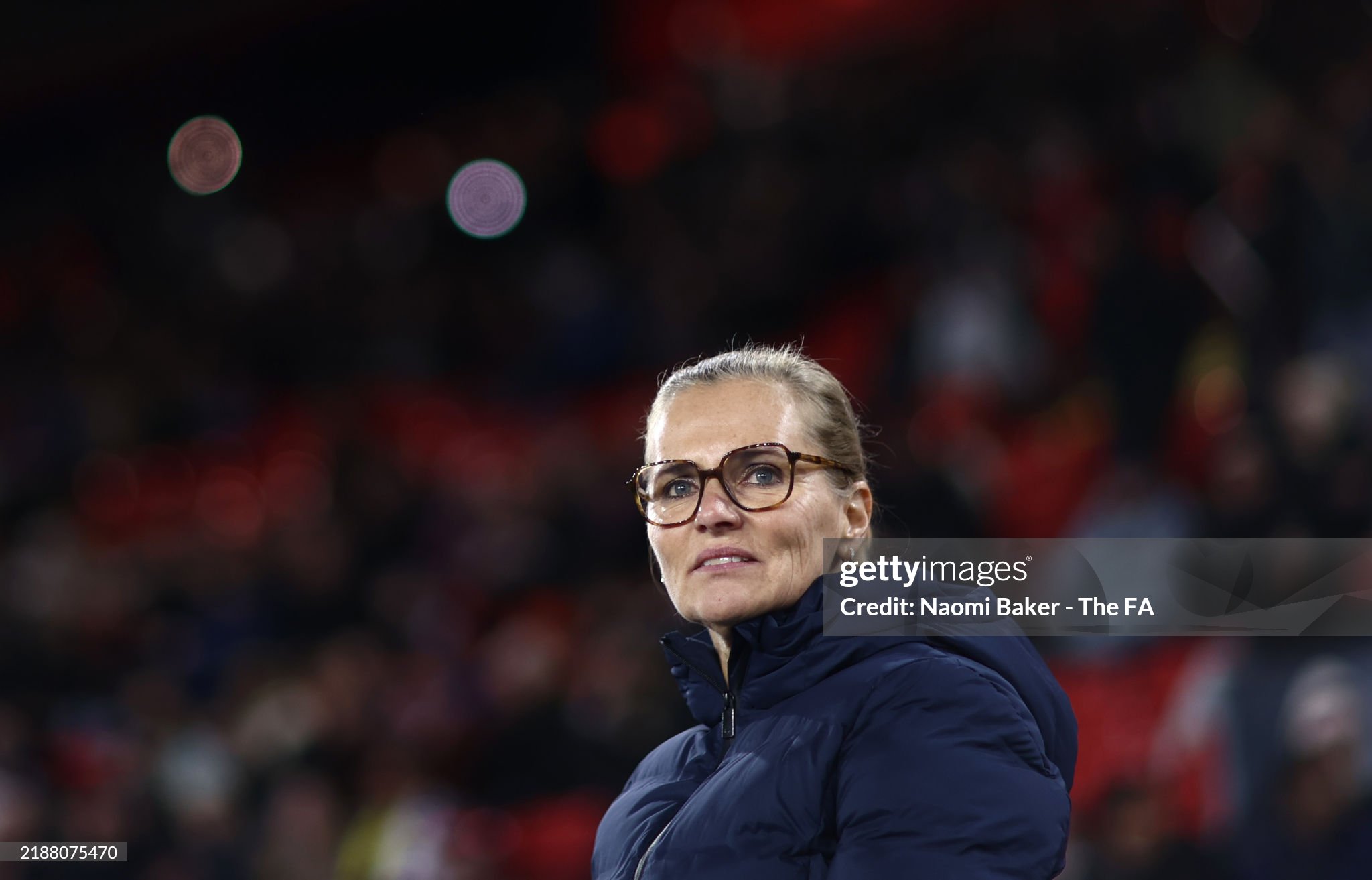
When the Lionesses last walked out onto the Bramall Lane turf back in 2022, it was ahead of one of their finest nights under Sarina Wiegman. England had just fought back from the brink against Spain in the Quarter-Finals of the 2022 European Championship. Now, they faced the highest ranked team left in the competition, with the tantalising prospect of a Wembley Final and a chance for sporting immortality awaiting the victors.
In their previous three tournaments, the Semi-Final had been England’s exit point, but on this night, with the hopes and dreams of the nation behind them, they overcame that hurdle and then some. The football was electric, the goals majestic, as England tore Sweden apart with a comprehensive 4-0 demolition job. The volley, the chip, that backheel- it was a night that will live long in the memory of those fortunate enough to be in attendance. England made it to the finale of their own party, and the rest, as they say, is history.
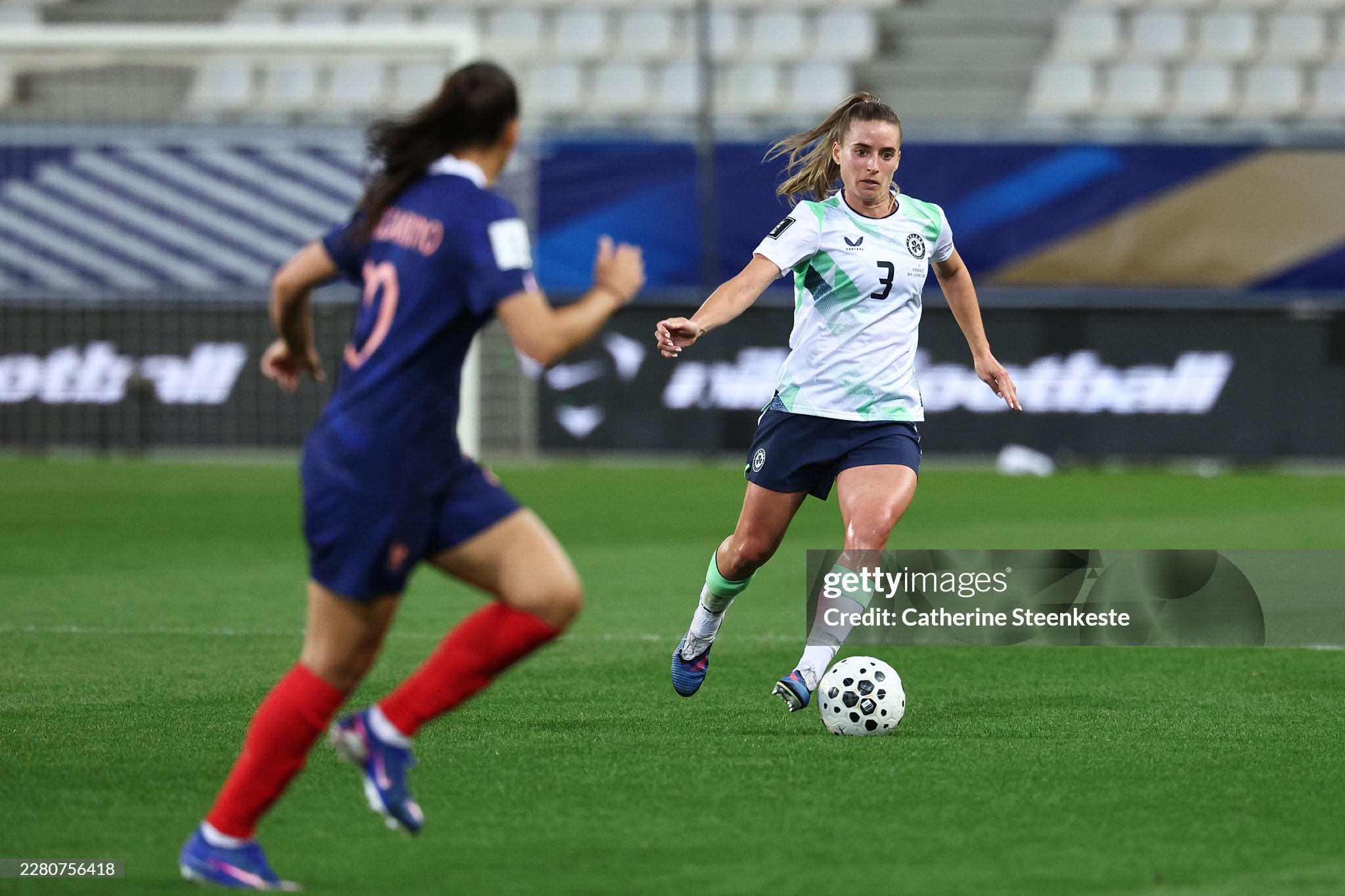
Flash forward to the present, and the contrast paints a stark picture. As England signed off an average 2024 with a tepid 1-0 win over Switzerland after Sarina Wiegman opted to give opportunities to a cluster of lesser experienced players, Grace Clinton’s early goal after 8 minutes was enough to win the match. However, there was little else for the Sheffield faithful to get out of their seats for.
England slump again
Where has that fire and excitement gone? Where have the thrills and energy dissipated to? From swashbuckling to stagnant, England are a far cry from the side that brought the nation so much joy and changed the direction of Women’s Football in this country forever. Of course, there is a vast difference between a simple friendly and a high-stake Semi Final against world class opposition, but this is part of a greater narrative that is becoming all too familiar, both with England, and those who knew her prior to her appointment. Are we in a crisis already?
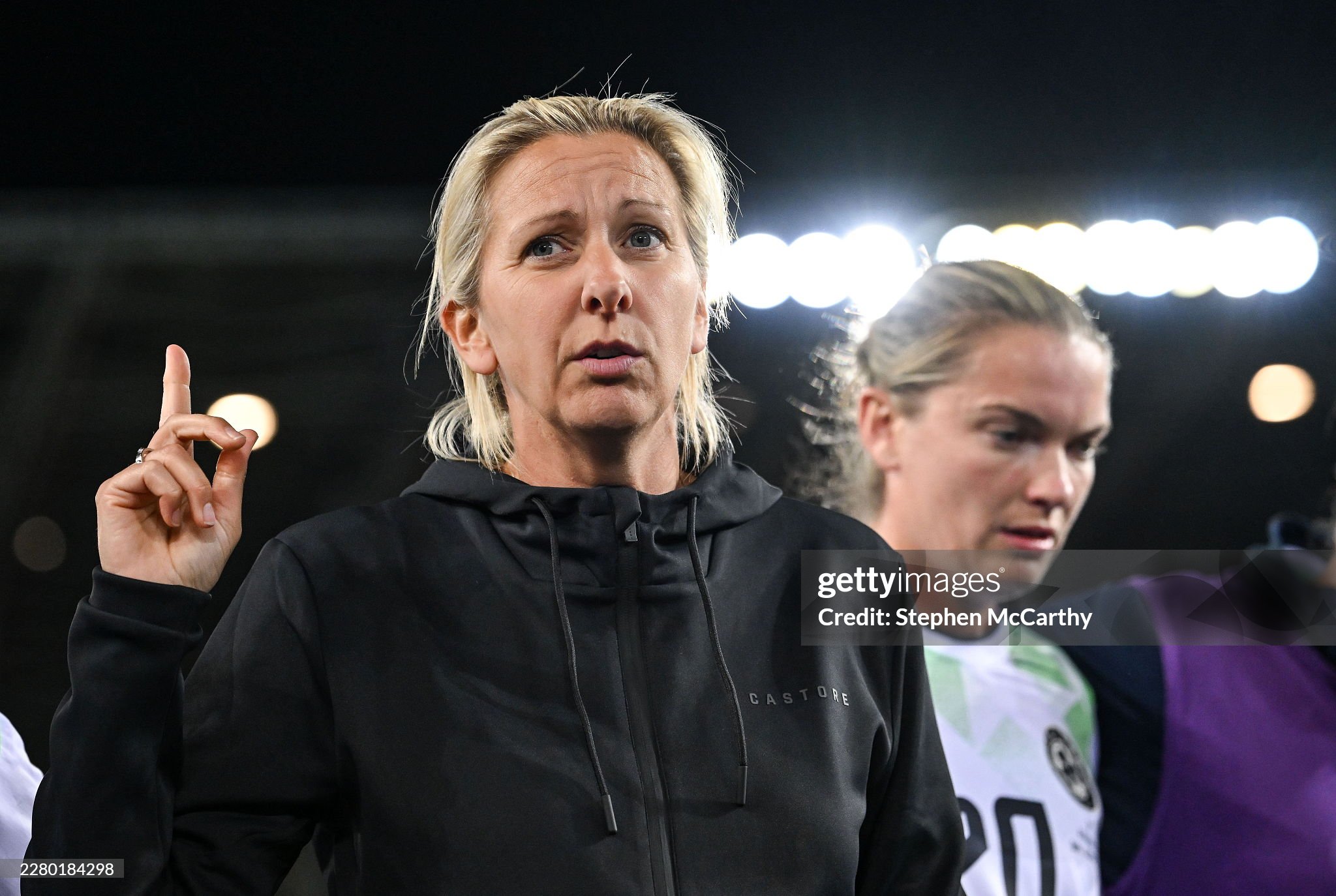
Carla Ward certainly thinks not. Speaking with 90 min ahead of England’s friendly with the USA, she was quick to ride to Sarina’s defence, highlighting the progress England have made under her management from where they were:
“I think the media probably puts more pressure on the situation”, she explained. “If I’m honest, let’s just think about where we were before Sarina came in and where we are now. Beforehand, we were lost, right? She’s managed to establish a nation’s love for the game and put our female players on the world stage.”
“In my opinion, this is what we should be talking about – the impact that Sarina’s had, rather than what you would call a blip at the moment. This is normal in football and we are far too quick to criticise when things don’t go well.”
Fear of the alternative is, of course, natural. Carla Ward is right to highlight the state of the Lionesses prior to her arrival. England were a mess, a team spiralling back into mediocrity following their 2019 World Cup hangover under the disastrous management of Phil Neville, and an equally chaotic Olympics as a part of Team GB with Hege Riise. Sarina Wiegman took an England side in full reverse after three successive Semi-Final finishes, and in less than a year turbo-charged them all the way to a European Title, a first ever major title for the Lionesses. Having finally reached the Promised Land, there is little appetite to potentially return to those dark days.
But these last two international breaks are not mere ‘blips’, nor were the two failed Nations League campaigns, nor was failure to qualify for the Olympics, nor was failure to win the World Cup. These are the points on a trend heading in the wrong direction for a team possessing the quality and aspirations for better and have been doing so for the last two years. Since Euro 2022, England have begun to flatline, they have struggled to evolve and build upon the success of that magical summer. Treating the setbacks as mere outliers risks us being blind to the issues that have evolved since.
Euro success not yet sustained for Wiegman
England underwhelmed at the 2023 World Cup, although still managed to reach a World Cup Final. It took a drastic formation change, a penalty shootout win, and for Tony Gustavsson to lose his nerve in the Semi-Final for them to get there. But they were rightly defeated by Spain in the Final, the 1-0 scoreline a pale reflection of the domination the Spaniards held over them.
It’s a story those of a Dutch persuasion will know all to well. In 2017, Wiegman brought European glory to the Oranje Leeuwinnen when they hosted the European Championship, and played brilliant, attacking football to get there. Two years later, they scraped to a World Cup Final, when they too were outplayed, this time by the USA. By the time they reached the Olympics, they were defensively weak and crashed out on penalties at the Quarter Final Stage- again, to the USA.
The divergence in narrative here is that unlike with the Dutch National Team, England failed to make the Olympics, thanks to their underwhelming Nations League record. In the last two Nations League campaigns, England have been surpassed by the Netherlands and France. Because of this, when the draw is made for the Euros in Switzerland next year, England, despite being the reigning champions, will not be one of the top seeds. They are the lowest ranked team in Pot 2, meaning they will face a tougher group to qualify from if they wish to retain their title.
So, why have England flatlined? Why is history repeating itself for Wiegman? The bulk of that truth, and the focal point of much of the recent criticism against her, is team selection.
The success of Euro 2022 was built on fostering a strong team spirit amongst a select few group of players. The same players playing the same roles in every game- starter, sub, squad. But since Euro 2022, there has been little appetite to tinker with that team. Over-consistency in team selection has formed a closed-shop, leading to a group of players that have grown staler and taler as the years have progressed. The core team that succeeded then was mostly the same the next year in Australia.
And again, this year, and next year. Unless anything changes, it will almost certainly be the same. When England played Germany in October, 9 of the 11 starters also played in that Final two years prior. Winning formulas are great, but they do not last. The winning hand of the previous round will not necessarily win you the chips again.
It should be noted that Wiegman is also a victim of circumstance. The compressed international calendar following the coronavirus lockdown, combined with the introduction of the Nations League, has squeezed a lot of the ‘fodder’ games out of the fixture list. Every game is now must win, to qualify for the summer tournaments, to avoid relegation.
With margins as fine as they are, with the competitive level as high as it is, there is little room of risky experimentation or introduction of new blood. When it comes to higher level matches, Wiegman will always default to the team she knows best, the players she trusts above all others. It’s a trend that has persisted even through the recent friendlies.
New faces make their bow, but old problems still remain
In the last two international breaks, the bigger hitters were used in the Wembley games, and then a rotated XI for the lesser fixtures, but neither side look ready for the challenges to come. Against Germany, England suffered a defensive horror show in their 4-3 defeat, and only got a foothold back in the game because the opposition dropped their level for 20 minutes. Against the USA, England lacked any threat at all and were indebted to Mary Earps and a VAR intervention to see out a 0-0 draw. Whilst they might have beaten South Africa and Switzerland, they did not convince in either game.
Wiegman’s reluctance to rejuvenate the England team up until now has formed a gulf between experience and youth, where neither look close to being in a state where they can bring home European glory once again. This is a process that should have started after Euro 2022, and even more so after the 2023 World Cup. Whilst it is pleasing to see Wiegman initiating that process now, it has all the air of doing so after the horse has long bolted.
The challenge now is to use the time available to her, between now and England’s Swiss Summer, to close that gap, to bring the new players up to the level required, integrate them fully within the team, and flush out those which cannot play at that level any longer.
Sentimentality and blind faith in what worked at the last Euros will bring only bring a shortfall. England must adapt, must evolve, and come at the Euros with a fresh team, a fresher approach. When Wiegman arrived in England, she took over a side that was sliding into mediocrity. Unless she is able to bring England back on course, she faces the chance that she may take them closer to where she found them.