
It feels like every new Women’s Super League signing is arriving from Sweden’s top division, the Damallsvenskan — but why?
It was a rough opening week of the January transfer window for Damallsvenskan fans. There are many reasons why this is the case, as well as many exciting new faces in the Women’s Super League (WSL).
Why do WSL teams sign so many Scandinavian players, especially in January?
January is the optimal time to try to sign any Scandinavian-based targets; the league runs from March to November. Most clubs are reluctant to let many players go in the summer, as they prepare for the run-in in the autumn.
Unless an offer comes in that is simply too good to turn down, most clubs do not wish to do business in the summer. Instead, a ‘build up’ of exists happens in the winter compared to other leagues and clubs in the world. Likewise, contracts tend to end in January, rather than the traditional summer.
This means players are more likely to go for free in the winter. Clubs across the world can snap up really brilliant talent from the Scandinavian leagues without a fee, to boost their squads going into the spring.
Which Damallsvenskan sides have been hardest hit?
Some clubs seem to have been hit harder than others during this window. Stockholm side Hammarby have lost six of the 11 players who started their season opener in March. Five of them have left this winter alone. Another player is rumoured to be leaving the Södermalm side.
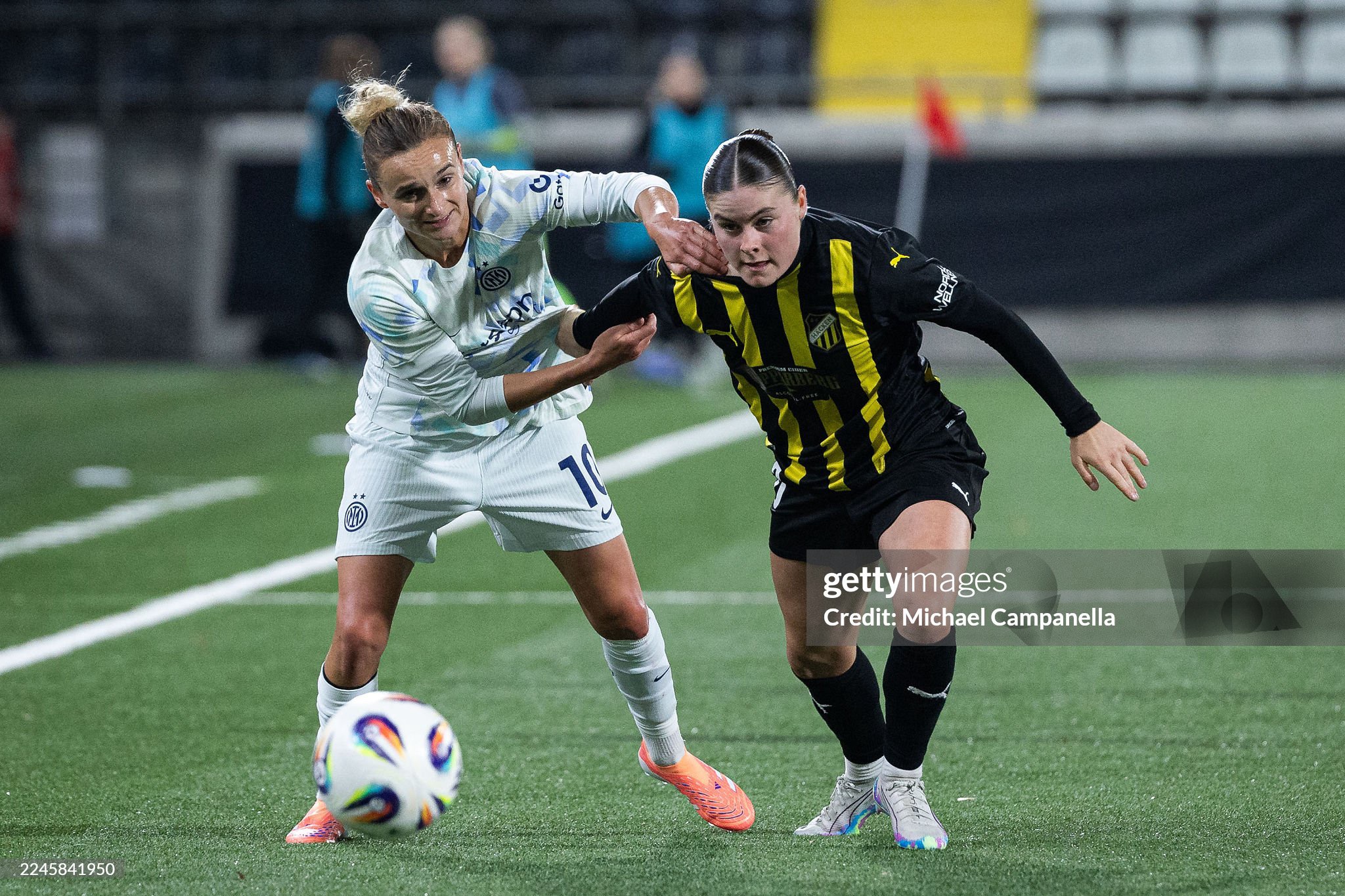
Liverpool are rumoured to be interested in a deal for Norwegian winger Anna Jøsendal. BK Häcken lost four players to teams in the WSL. Tottenham Hotspur signed two young players from the Göteborg side, with Liverpool signing another two as well.
The history of the Damallsvenskan and the WSL
This isn’t the first time this has happened to top teams in Sweden. Of the 11 players who started Rosengård’s final game of their title-winning season in 2024, just two players remain with the team 14 months later.
Three players were picked up by English sides, including two going to Manchester City in Rebecca Knaak and Eartha Cumings. Because of this, the Malmö side struggled in the 2025 season and narrowly avoided falling into the playoff places at the end of the season.
Both Hammarby and BK Häcken have put measures in place to hopefully ensure they do not end up in the same position as Rosengård. Both sides anticipated the number of players they were likely to lose this January. They have been proactive, rather than reactive, in business to ensure the pain doesn’t hit too hard.
It may seem like a very harsh reality for Swedish football at the moment. It is. But it is also part of a wider ecosystem in women’s football that has run its cycle for the past 10 or so years. The Damallsvenskan has always been a breeding ground for youth talent, to gain the experience and development they need before they move on to other leagues.
Chelsea signed Magdalena Eriksson from Linköping in 2017. Wolfsburg signed Pernille Harder from the side club in 2016. In 2021, Arsenal signed Frida Leonhardsen Maanum from Sweden when she was 22.
Who is joining the WSL from the Damallsvenskan this transfer window?
However, what is Sweden’s loss is very much England’s gain, with some incredible talent joining the league this winter. The Halfway Line has selected a few players to introduce you to, to get a taste of what to expect when the WSL returns this weekend.
Emma Jansson joins Leicester from Rosengård. The 29-year-old brings a wealth of experience to Rick Passmoor’s side, having played for four teams across Sweden in just under 300 games. She can play across the pitch, having played everywhere from centre-back to attacking midfielder for Rosengård last season.
In defence, she brings timely tackles and quick thinking to shut down attacks. With a clean header and astute penalty skills, she can add goals to the side, too. Leicester will look to call on her experience to aid them in the second half of the season.
Liverpool signed 22-year-old Alice Bergström from Swedish Champions BK Häcken. With the ability to play anywhere down the right-hand side, Bergström offers a desire to drive forward and create chances, either for herself or those in her team.
Stealthy and agile, she works her way out of tight spaces well. She pulls both narrowly and wider to use the full length of the wing to impact the game. Despite only being 22, Bergström has played for several teams across Sweden, from the third, second and top tier, and joins Liverpool after starting 24 of 26 games in BK Häcken’s title-winning season.
North London has also gained its fair share of Scandi talent this January. Hanna Wijk joins Tottenham Hotspur from BK Häcken, after she played in 25 games for the side last season. The defender spent most of her youth career in her home municipality of Lerum before moving to Göteborg in 2020.
She made 166 appearances for the side. The ability to play in either fullback position will add great depth to Martin Ho’s side. Less likely to push ahead in attack than others in her position, Wijk adds great defensive stability out wide, which could be key against some tricky wingers in the WSL.
What is the solution to the Damallsvenskan’s exodus?
As fans and journalists, we don’t have the answers to make this a sustainable structure in Sweden, to continue this taking of talent when they are ‘suitable’ for the English league.
Maybe the answer is making sure these teams go far in European competitions, especially the Europa Cup, to ensure money from these places can sustain the teams. Perhaps it is a factor of not letting players go on a free, and being open to letting players leave in the summer for a fee.
We may not have the answers, but history has shown us that Damallsvenskan is not going anywhere, and it will always have an important role to play in women’s football.