Last year, the WSL rebrand and expansion signalled a major shift in the structure of women’s football in England.
In the landmark year of 2025, after seasons of steady growth, the women’s second tier — formerly the Women’s Championship — has been rebranded as the WSL2, and both tiers now operate under a unified governance and brand identity managed by WSL Football, previously known as Women’s Professional Leagues Ltd (WPLL).
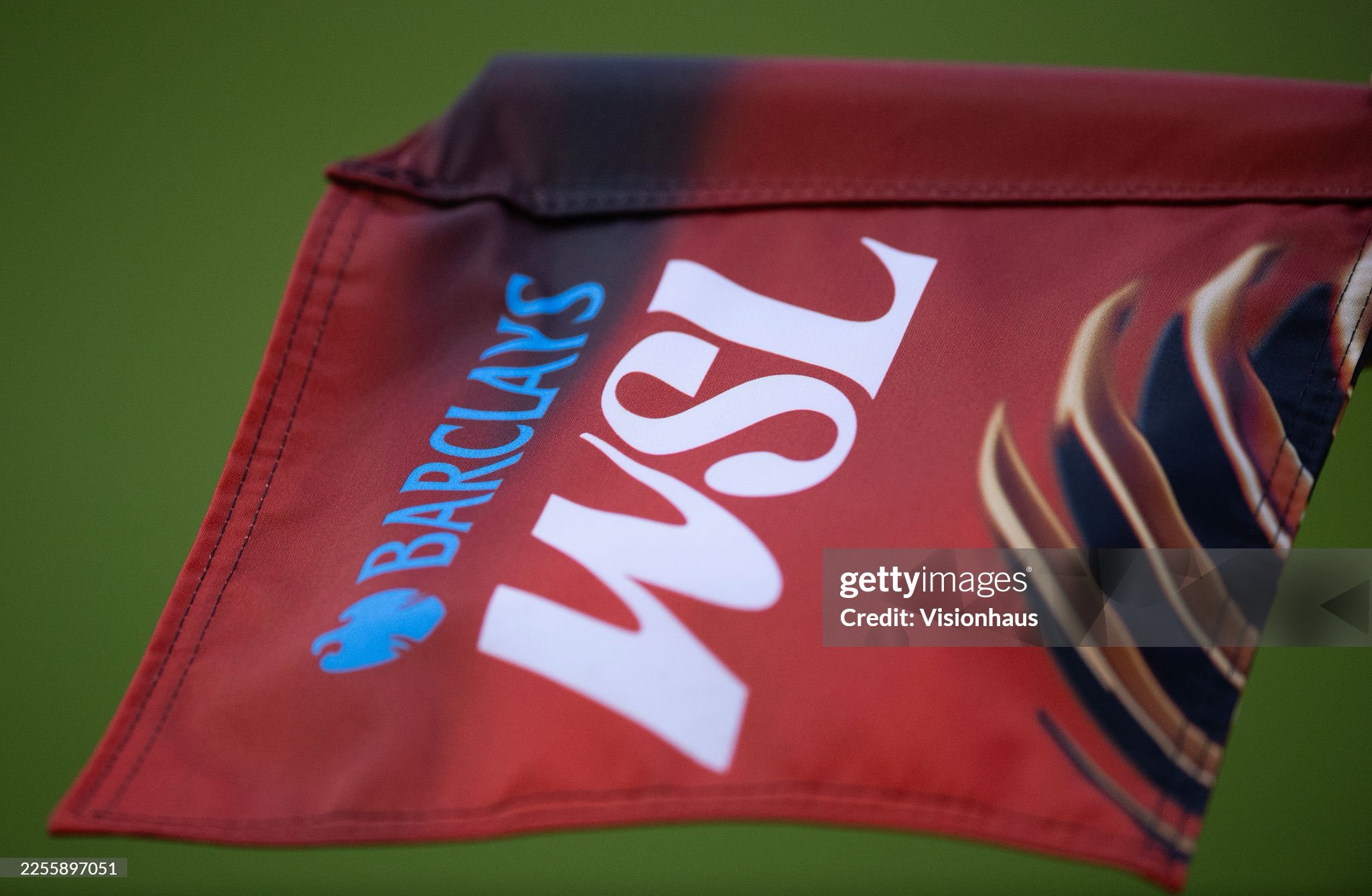
The rebrand includes fresh logos, a new visual identity and differentiated “colour systems” for the WSL and WSL2, intended to create a cohesive but distinct brand for each tier.
WSL rebrand and expansion explained
In June 2025, the governing bodies confirmed their expansion plan for the WSL topflight. This long-discussed expansion sees the WSL grow from 12 to 14 clubs starting from the 2026/27 season.
To facilitate the expansion, at the end of the 2025/26 season, the top two clubs in WSL2 will be automatically promoted to the WSL.
Additionally, the 12th-placed WSL club will face a playoff against the third-placed WSL2 club for a final spot in the topflight.
From 2026/27 onwards, standard promotion/relegation will resume. WSL2 champions are automatically promoted, WSL bottom clubs are relegated, and a playoff takes place between the 13th-placed WSL club and WSL2 runners-up for the final place.
The WSL2 is set to remain a 12-team division for the time being.
The rebrand and structural overhaul are more than cosmetic — they reflect a long-term strategic ambition to further professionalise the women’s game and give clubs a stable platform for growth. WSL Football has positioned this as part of a wider plan to develop the women’s professional football pyramid.
Bringing both tiers under one umbrella should, in theory, help standardise governance, licensing, broadcast deals, commercial partnerships and strengthen the pathway between divisions, thus giving WSL2 clubs a clearer route to the topflight, while offering top-tier clubs greater long-term certainty.
The restructuring of the WSL means there is more clarity about what it takes to reach the highest level, in terms of both sporting performance and off-pitch standards.
For players, it means a more transparent, professional structure across the top two tiers, which could support better contracts, resources and stability. For fans, it means more meaningful competition across the two leagues.
The rebrand and expansion aren’t without their critics. Some fans and observers worry that relabelling the second tier “WSL2” weakens the distinct identity that “Championship” once provided, or that rapid expansion could stretch resources.
Still, the changes formally approved by The Football Association (FA) Board do mark a clear commitment to growing the women’s game on professional terms.
Financial strain and competitive risk in the WSL
Despite the optimistic rhetoric surrounding the rebrand and expansion, the underlying financial health of clubs in the top two tiers remains fragile. A 2023 study examining 73 annual accounts from 14 women’s clubs in Eng-
2011 and 2019 found that although club revenue increased by 590%, club debt rose by 1,351% in the same period. The authors concluded that the league experienced “poor financial health throughout” and warned this could hinder sustainable growth unless governance, revenue-sharing, and licensing frameworks are strengthened.
This fragility is still apparent today. Deloitte reported that WSL clubs generated record revenues of £65 million in 2023/24 — a 34% year-on-year rise — yet the previous season still saw a combined pre-tax loss of £21 million, according to the Guardian.
Revenue is heavily concentrated among a small group of dominant clubs: Arsenal, Chelsea, Manchester United and Manchester City reportedly account for around two-thirds of all league income.
This imbalance suggests that many clubs — especially those recently promoted or operating without Premier League-level backing — may struggle to meet rising infrastructure and wage demands, potentially undermining the aim of creating a stable, competitive pyramid.
Does the WSL rebrand’s image outweigh its substance?
Beyond finances, the rebrand itself has provoked notable pushback (as reported by FourFourTwo) from supporters who feel the changes dilute the identity of the second tier.
Many fans took to social media to argue that of all the issues in the women’s game (refereeing quality, matchday experience, uneven facilities), “names and logos weren’t on the list.” Frustration focused particularly on the renaming of the Championship to WSL2, which many felt stripped the division of its distinctiveness.
Such reactions reflect a wider concern that the rebrand prioritises presentation over substance. Critics argue that resources spent on marketing and visual identity might have been better directed towards long-term structural issues — from improving stadium facilities and pathways to supporting financially vulnerable clubs.
There are also broader worries about competitive balance. The 2023 financial analysis warned of an emerging divide between a handful of dominant clubs and the rest of the league, which risks undermining the “joint production” of sporting value essential for a sustainable competition.
If clubs promoted to the WSL — or operating within WSL2 — cannot sustain the increased financial and infrastructural demands, the expansion may simply entrench existing inequalities. Newly promoted sides could find themselves outmatched, leading to greater volatility, fewer stable mid-table clubs, and the possibility of withdrawals or forced semi-professionalisation.
In summary, although the rebrand and expansion under WSL Football aim to modernise and professionalise the women’s game, they do not resolve the systemic challenges that have shaped the league for more than a decade.
Without stronger financial safeguards, fairer distribution of resources, and meaningful engagement with supporters and ‘smaller’ clubs, the “professional pyramid” risks reinforcing existing inequalities rather than addressing them.
Ultimately, success will be measured not by visual identity or league naming but by whether clubs across both tiers remain viable, competitive, and able to preserve their identity in the years to come.